Outdoor WPC decking is a popular choice for patios, gardens, terraces, and other exterior spaces. Compared with some traditional timber flooring systems, it can be relatively straightforward to install, especially when the boards are designed with compatible fixing accessories. However, a successful installation involves more than simply laying boards side by side.
Whether you are upgrading a small garden patio or planning a larger outdoor flooring area, the ground conditions, supporting structure, drainage, and installation details all influence the final result. So, can you install outdoor WPC decking yourself? In many cases, yes, but the complexity of the project should determine how much preparation and professional support you need.
One reason WPC decking is suitable for DIY projects is its relatively consistent shape and dimensions. Unlike natural timber, which may have variations in grain, moisture content, and board shape, manufactured WPC boards generally offer more uniform profiles. This makes measuring, arranging, and aligning the boards easier.
Many outdoor WPC decking systems also use clips, screws, or other dedicated fasteners. These accessories help maintain consistent spacing and create a more orderly surface. Depending on the product design, some boards can also be cut to fit corners, edges, and different outdoor layouts.
However, installation methods vary between products. Solid and hollow boards may have different structural requirements, while fixing systems are not necessarily interchangeable. Always check the manufacturer's installation instructions before starting.
Preparing the necessary tools and materials in advance can make the installation process more efficient. The exact requirements depend on the decking profile and the condition of the installation site, but most projects need:
▶ Measuring tape, spirit level, saw, and drill
▶ WPC decking boards and compatible fasteners
▶ Supporting joists or an appropriate substructure
▶ Screws, clips, and finishing accessories
It is particularly important to select compatible fixing components. Using unsuitable screws or clips may affect board stability, spacing, and the overall appearance of the finished floor.
A reliable Outdoor WPC Flooring system starts with proper preparation. The following steps provide a general overview, although product-specific installation instructions should always take priority.
Start by checking whether the ground is stable, level, and suitable for supporting the framework. Remove debris and address uneven areas before installation. The surface should also allow rainwater to drain away rather than collect beneath the decking.
Install the joists or supporting structure according to the required layout. Their spacing should match the board specifications and expected loading conditions. A framework that is too widely spaced may cause excessive movement or deflection, so it is important not to estimate this distance without checking the product guidelines.
Plan the board direction before fixing anything in place. Consider the shape of the space, the direction of natural light, and how the decking will meet walls or other surfaces. Secure the boards using the recommended clips or screws, keeping the alignment consistent throughout the installation.
WPC decking can expand and contract as temperatures change. Appropriate gaps between boards and around fixed structures help accommodate this movement. The required spacing depends on the product, board length, and local temperature conditions.
Once the main boards are installed, complete the edges with suitable finishing components. Check that the surface is even, fasteners are secure, and drainage and ventilation beneath the decking have not been obstructed.
Even when the boards themselves are easy to handle, small installation errors can affect long-term performance. Four issues deserve particular attention:
▶ Uneven foundations: An unstable base can lead to movement and an inconsistent surface.
▶ Incorrect joist spacing: Insufficient support may cause boards to flex under regular use.
▶ Inadequate expansion gaps: Boards may press against one another or surrounding structures as temperatures change.
▶ Poor drainage and ventilation: Trapped moisture and restricted airflow can create problems beneath the decking.
These details are especially important in areas exposed to frequent rainfall or changing temperatures. WPC is designed for outdoor use, but it does not eliminate the need for proper drainage and installation planning.
For a small patio, garden platform, or simple balcony area, DIY installation may be practical if the ground is prepared properly and the installer can follow the product instructions.
Larger terraces, hotel outdoor areas, public walkways, and other extensive projects involve different considerations. They may require more detailed structural planning, consistent board alignment across a large surface, and careful coordination of drainage and access points.
Complex layouts also deserve additional attention. Steps, corners, swimming pool edges, and changes in floor height can make installation more demanding. In these situations, professional installation can help reduce material waste and avoid costly corrections.

The product itself has a significant influence on installation efficiency. Before selecting outdoor WPC decking, consider its dimensions, profile structure, surface design, and compatible accessories. Clear installation guidance is equally valuable, particularly when the flooring will cover a large area.
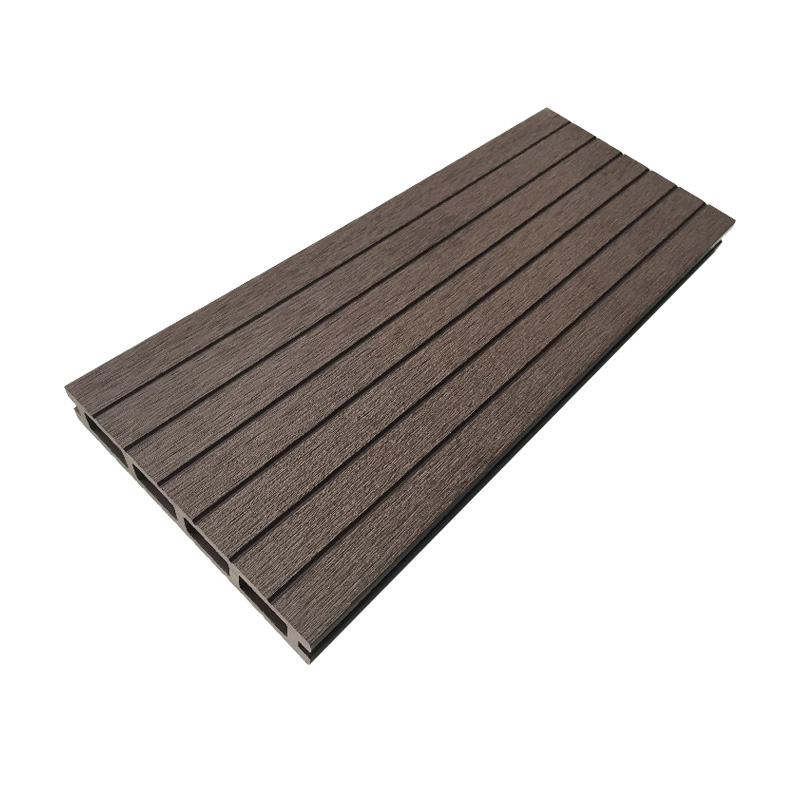
For example, Yuante's outdoor WPC floor panels, including the YT-A140H23 profile, measure 140 × 23 mm and feature a hollow structure. The boards offer two usable surface designs: a narrow-groove texture on one side and a flat finish on the other. This provides flexibility when planning the appearance of different outdoor spaces.
Choosing boards with suitable dimensions and a well-matched fixing system can make installation more predictable. It also helps create a consistent finish across patios, garden walkways, and larger outdoor flooring areas.
You can install outdoor WPC decking yourself when the project is relatively simple and the necessary preparation is within your capabilities. However, a durable result depends on much more than laying the boards correctly. Ground preparation, supporting joists, expansion gaps, drainage, and compatible accessories all contribute to the performance of the finished flooring system.
Taking time to understand these requirements before installation can reduce unnecessary adjustments and help ensure that your outdoor WPC decking remains functional and attractive over the long term.