Garden walkways are an essential part of outdoor landscape design, providing both functional access and visual structure to residential and commercial gardens. In recent years, WPC floor panels (Wood-Plastic Composite decking boards) have become an increasingly popular choice for this application. But are they really suitable for garden walkways, and what makes them different from traditional materials like wood or stone?
To answer this, it is important to understand how outdoor WPC floor systems perform under real environmental conditions, including moisture, soil contact, temperature changes, and daily foot traffic.
WPC floor panels are engineered materials made from a blend of:
This composition creates a decking material that mimics the appearance of natural wood while improving durability and reducing maintenance requirements.
Compared with traditional timber, WPC boards are designed to resist:
These properties make them especially suitable for outdoor WPC floor applications, including garden walkways, patios, and terraces.
Garden walkways require materials that can withstand constant exposure to changing weather and soil-related moisture. WPC floor panels offer several practical advantages in this environment.
Outdoor environments expose walkways to rain, sunlight, and humidity. WPC decking does not absorb water like natural wood, which helps reduce swelling, warping, or cracking over time.
Unlike stone or concrete, WPC boards provide a slightly warmer and more comfortable surface underfoot, especially during colder seasons. This makes garden pathways more pleasant to use barefoot or in light footwear.
A key advantage of WPC materials is their low maintenance nature. Garden walkways made from outdoor WPC floor panels typically require only occasional cleaning with water or mild detergent, without the need for painting or sealing.
Modern WPC decking boards are designed with wood grain textures and color variations, allowing them to blend naturally into garden environments. This helps maintain a balanced landscape design without the artificial appearance of synthetic materials.
The table below shows how WPC floor panels compare with common garden walkway materials:
Outdoor WPC floor systems provide a balanced solution between durability, appearance, and ease of maintenance.
To achieve optimal performance, installation quality is just as important as material selection. For garden walkways, several factors should be considered:
Ensure proper drainage beneath the decking
Maintain expansion gaps between boards
Use a stable and level subframe
Avoid direct long-term water pooling
When these conditions are met, WPC decking performs reliably even in challenging outdoor environments.
Modern outdoor WPC floor solutions are widely used in landscape design due to their balance of performance and aesthetics. For example, WPC decking board systems such as those used in garden walkway applications are designed to provide:
These features make WPC flooring a practical solution for both residential gardens and commercial landscaping projects such as parks, resorts, and outdoor leisure areas.
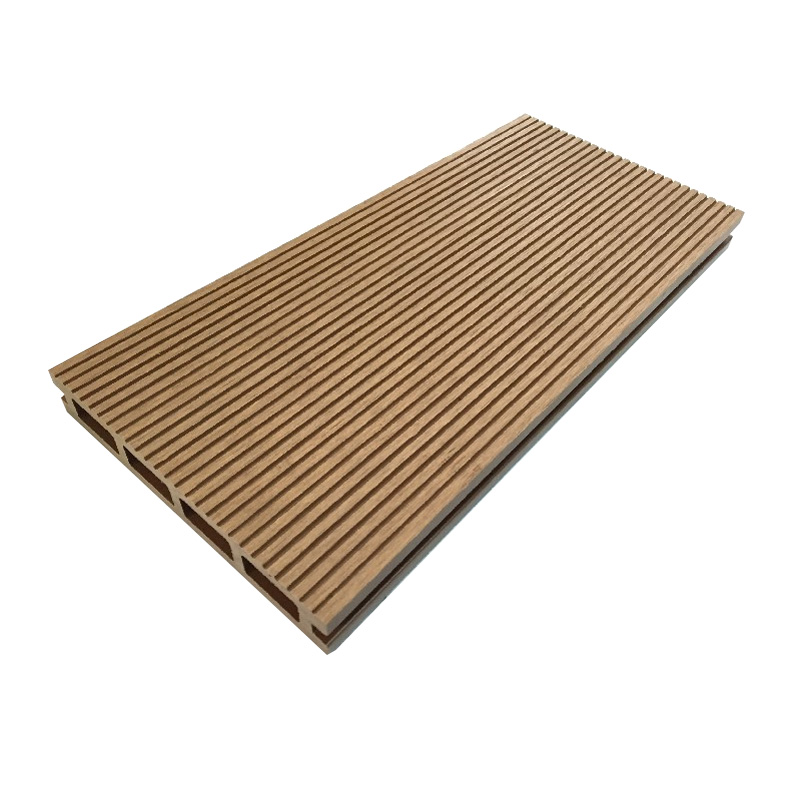
WPC floor panels are a highly suitable option for garden walkways due to their combination of durability, weather resistance, and low maintenance requirements. Compared with traditional materials, they offer a more balanced solution for long-term outdoor use.
When properly installed as part of an engineered outdoor WPC floor system, these decking boards can provide a stable, visually appealing, and long-lasting pathway solution for a wide range of garden environments.