Wood-Plastic Composite (WPC) flooring has gained widespread acceptance as a practical alternative to traditional flooring materials, particularly in spaces where water resistance, low maintenance, and visual appeal are priorities. As engineered flooring solutions evolve, it is essential to understand both the benefits and potential limitations of WPC flooring to make an informed selection for specific applications.
WPC flooring is composed of a blend of thermoplastic polymers and wood fibers or flour. The resulting composite material offers the aesthetic qualities of wood with enhanced performance characteristics of plastic. This combination yields a product that is more dimensionally stable and moisture resistant than solid wood, making it suitable for a range of indoor and outdoor environments.
A defining feature of WPC flooring is its resistance to moisture. Unlike traditional wood that swells, warps, or rots when exposed to water, WPC flooring can withstand high humidity and occasional wet conditions without structural degradation. This makes it a practical option for areas prone to spills or humidity, such as kitchens, bathrooms, or covered outdoor patios.
One of the most compelling advantages of WPC flooring is its minimal maintenance needs. Unlike natural wood flooring, which requires regular staining, sealing, or refinishing, WPC floors typically need only routine sweeping and occasional cleaning with mild soap and water to retain their appearance. This reduction in upkeep saves both time and long-term maintenance costs.
WPC flooring delivers reliable durability for everyday use. The composite structure offers resistance to wear and tear, making it suitable for moderate-traffic areas. While scratch resistance varies by product quality and surface finish, high-quality WPC boards are engineered to provide consistent performance under typical residential or commercial conditions.
Compared to hard surfaces like ceramic tile or natural stone, WPC flooring tends to feel warmer and softer underfoot. Some WPC products also incorporate textured finishes that improve slip resistance, enhancing safety in areas that may become wet or slippery.
WPC flooring is available in a wide variety of colors, wood grain patterns, and surface finishes. Advanced printing and embossing technologies allow these products to closely mimic natural wood or other textures, enabling designers and homeowners to achieve a desired aesthetic without the challenges of wood maintenance.
Many WPC flooring products use recycled materials, including reclaimed wood fibers and post-consumer plastics. This recycling process reduces demand for virgin wood and helps divert plastic waste from landfills, making WPC an environmentally conscious choice.
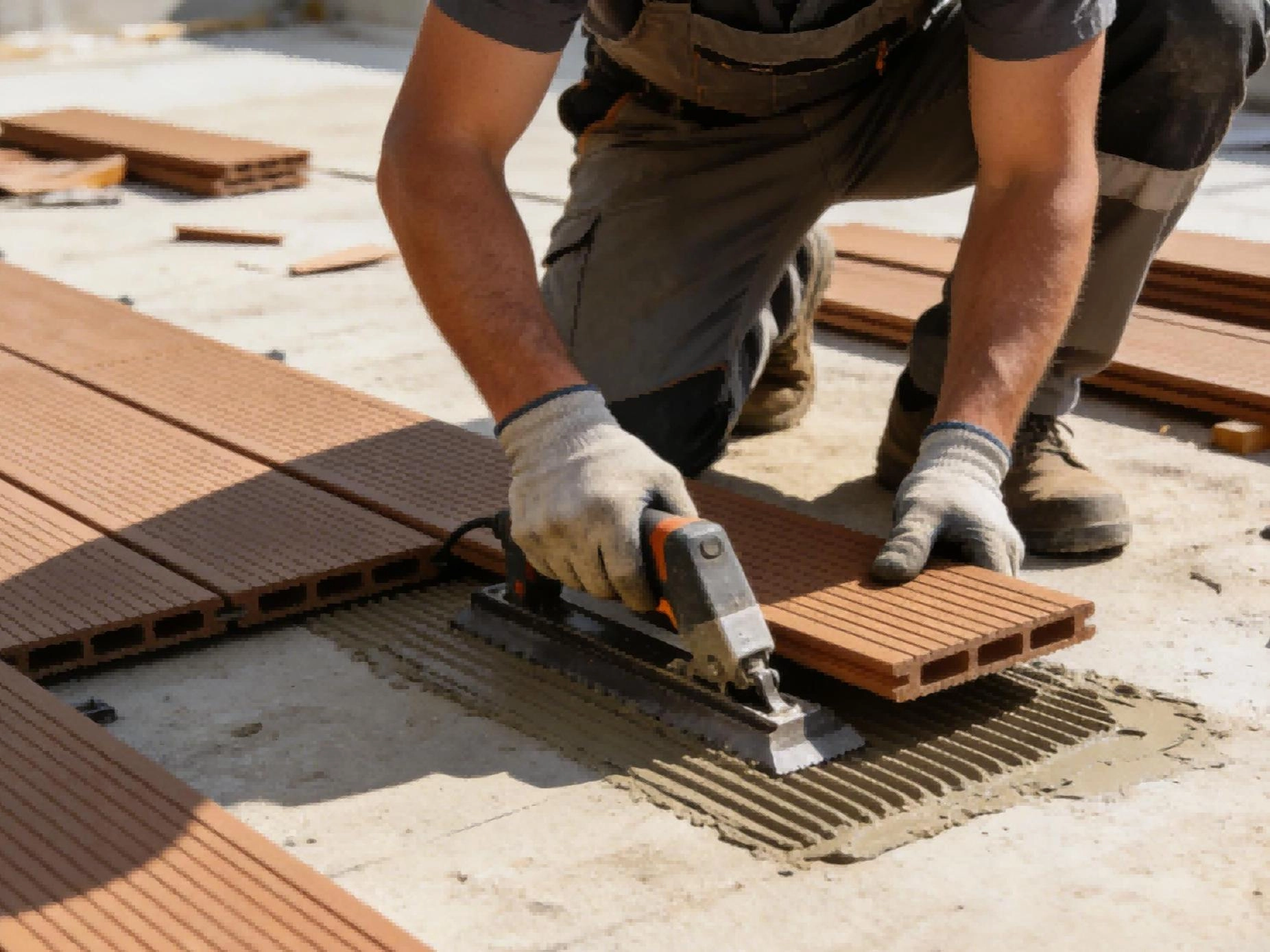
Although WPC flooring often represents a cost-effective solution over the lifecycle of a building, the initial material cost can be higher than some alternative flooring options such as basic vinyl or laminate. For projects with tight budgets, this upfront investment may be a deterrent if long-term maintenance savings are not a priority.
Standard WPC flooring products are not inherently designed to withstand direct, prolonged exposure to extreme temperatures or intense UV radiation unless specifically engineered for outdoor use. In full sun or in very hot climates, some WPC materials may become warmer underfoot and are better suited to covered outdoor spaces or interior applications.
Unlike natural wood floors that can often be sanded and refinished after surface damage, WPC flooring typically cannot be repaired in the same way. Deep scratches, gouges, or other surface damage may require replacement of individual planks, a consideration when planning for long-term maintenance.
While modern WPC flooring designs can closely replicate wood aesthetics, discerning observers may note differences in texture and appearance compared with real hardwood. For projects where the tactile feel or specific wood characteristics are paramount, solid wood or engineered wood may be preferred.
When choosing a WPC flooring solution, product quality, manufacturing processes, and performance characteristics should guide decision-making. For example, the Yuante YT-C series of co-extrusion WPC flooring integrates a co-extruded cap layer and robust core structure, enhancing surface durability, UV resistance, and long-term performance in demanding applications. This type of product is engineered to deliver the combined benefits of aesthetic versatility, moisture resistance, and low maintenance, making it a suitable choice where both functionality and appearance matter.
WPC flooring represents a balanced flooring solution that merges the look of wood with the practical benefits of engineered composites. Its water resistance, low maintenance, and comfort underfoot make it a strong candidate for a variety of applications, particularly in residential and certain commercial settings. However, factors such as upfront cost, outdoor exposure limits, and repairability should be considered when evaluating its suitability.
Ultimately, understanding both the advantages and potential limitations ensures that the selected WPC flooring aligns with project goals, environmental conditions, and long-term usage expectations. Products like the Yuante YT-C series provide a compelling combination of features for many contemporary design and construction scenarios.